Braille Signages in India: Importance, Accessibility Benefits & Essential Standards
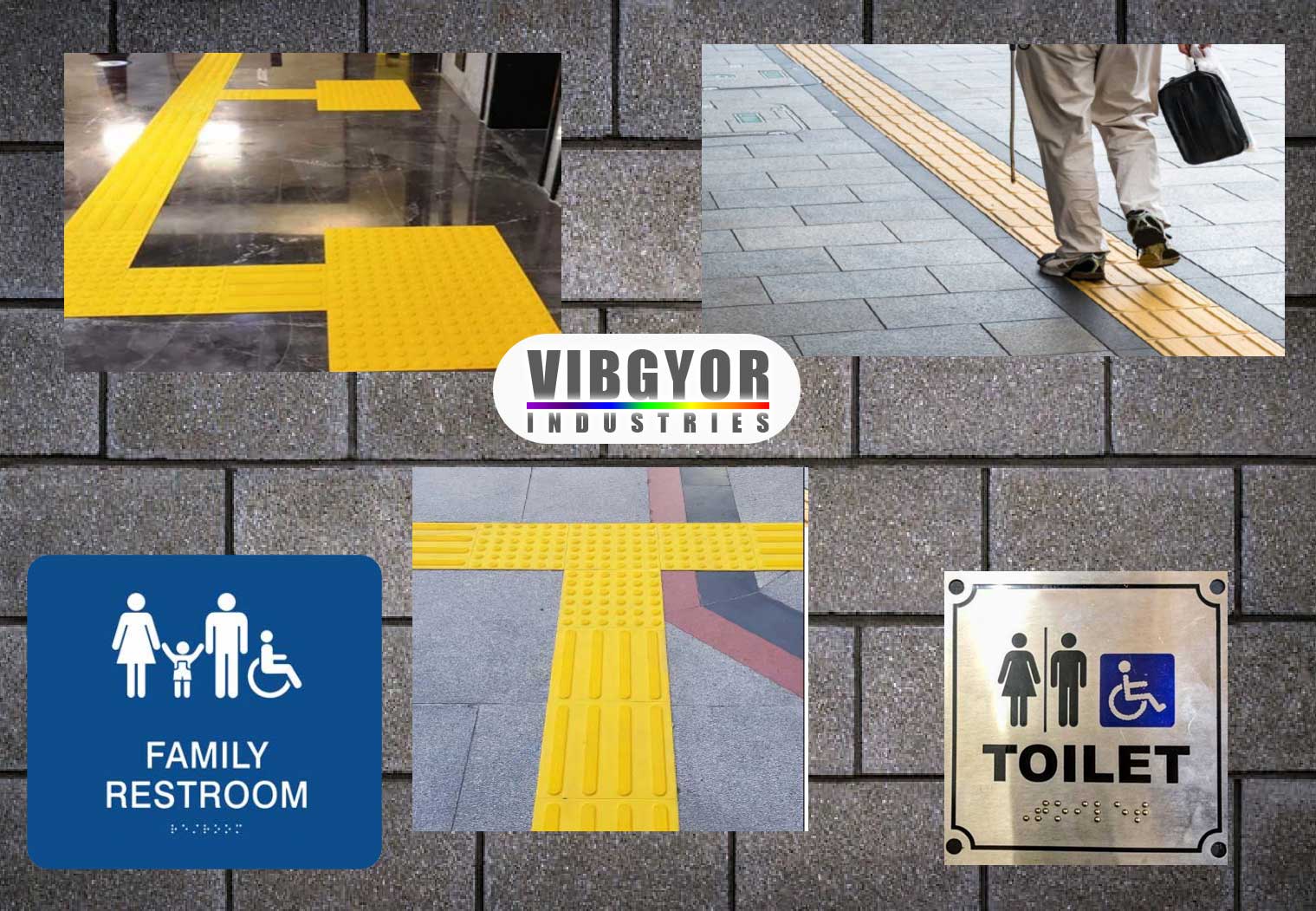
Building an inclusive, accessible world is not optional—it is a shared responsibility for all public institutions. One of the most effective ways to ensure equal access for individuals with visual impairments is through tactile Braille signs. Today, as awareness of accessibility rises, selecting a high-quality Braille signage manufacturer in India has become a vital step for architects, institutions, and facility planners.
The Role of Braille Signages in Public Infrastructure
India’s public infrastructure—from malls and hospitals to transport hubs—should be equally navigable by all individuals. However, for millions of visually impaired individuals, navigating these areas independently can be difficult without proper tactile guidance.
Braille signages serve an essential purpose by offering:
1. Independent Navigation
Through well-placed tactile indicators, users can navigate safely and confidently in unfamiliar areas.
2. Compliance With Accessibility Laws
The Rights of Persons with Disabilities (RPwD) Act, 2016, and the Harmonised Guidelines mandate that all public buildings ensure accessibility.
3. Enhanced Safety in Public Spaces
Braille signages improve safety by minimising risk and ensuring users can identify exits and directions easily.
4. Support for Inclusive Development
Accessibility is integral to India’s Smart Cities initiative, and Braille signage ensures inclusivity for all.
Benefits of Braille Sign Boards for Accessibility
Braille sign boards are far more than mere labels—they serve as a bridge to information and independence.
Here’s how they directly improve accessibility:
? Provide Clear, Touch-Readable Information – Raised dots and tactile alphabets enable users to quickly recognise rooms, directions, and other areas.
? Reduce the Need for Assistance – By improving clarity, Braille signage minimises the need for constant human assistance.
? Improve Dignity and Confidence – Independence through tactile guidance fosters self-assurance and reduces dependency.
? Enable Better Orientation in New Spaces – In unfamiliar environments like hospitals or corporate offices, Braille signs help users develop a mental map of their surroundings.
Partnering with an experienced Braille signage producer guarantees consistency, longevity, and adherence to accessibility laws.
Indian Standards for Braille Signage – A Complete Guide
Uniform standards in India help maintain readability, durability, and accessibility of Braille signage nationwide. The most recognised include:
1. IS 16900: Indian Standards for Tactile/Braille Signage
This standard specifies:
? Dot height, spacing & alignment
? Guidelines for tactile letter height and width
? Application of Grade 1 Braille only
? Recommended installation height between 1.2–1.5 m
? Contrast and lighting guidelines for clear visibility
? Material strength and resistance
2. Harmonised Guidelines for Accessibility (CPWD / MoHUA)
These guidelines require:
? Braille signs at major decision points and doorways
? Uniform positioning across floors
? Tactile signage on doors, handrails, and entrances
? Non-reflective, UV-stable materials for longevity
3. RPwD Act Compliance
All public-use buildings—both government and private—must ensure accessible signage that aligns with national disability norms.
Conclusion
Braille signages are far more than architectural add-ons—they are a cornerstone of accessibility and inclusion in modern India. They empower visually impaired individuals with freedom, safety, and confidence, while ensuring buildings meet national standards.
Only a skilled manufacturer can provide the accuracy, durability, and compliance needed for true accessibility. With proper implementation, a barrier-free, Accessible signage manufacturer in India inclusive India becomes not just a vision but a reality.